
Some of the best memories grow from moments spent outdoors. Most kids feel an instant pull to explore muddy puddles; perhaps buzzing bees; maybe winding trails.
Every family has its own way of connecting with nature, whether you dig for worms in your backyard or look for fireflies after dark. Well, at least this should be the case.
Curious how you can make these moments happen more often?
Read along for practical ideas that help nurture a real love of the natural world in your children.
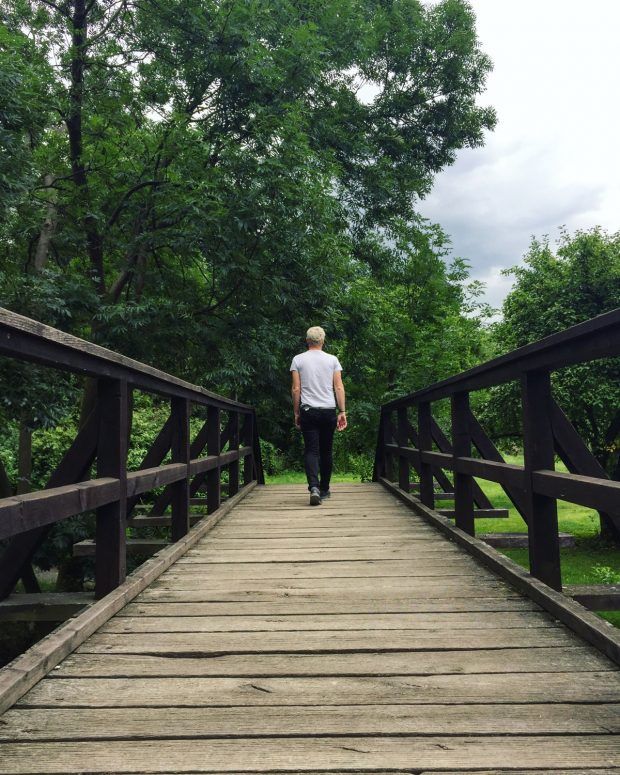
1. Do Backyard Activities Like Nature Scavenger Hunts
Sometimes, the best discoveries hide just outside your door. Parents can hand out simple checklists for leaves, textured rocks, or insects and then watch as children turn clues into real-life adventures.
Giving prompts like “find something soft” or “spot a plant with five points” helps kids build observation skills and practice sorting what they see.
For more hands-on fun, try creating mini animal habitats or using flashlights for a backyard night safari.
2. Go on Family Holidays to Explore Nature
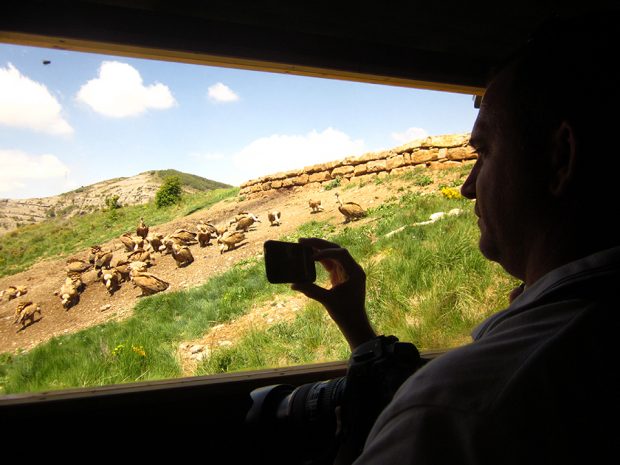
Why not take learning outside your own neighborhood for a real change of scene? Watching wildlife in its natural setting gives children a closer look at how plants and animals interact every day.
From guided walks through local forests to spotting rare birds on remote beaches, each trip shapes the way kids think about conservation and their place in nature.
For those who want something even more memorable, think of something unique like anAmazon River boat cruise. It introduces families to unique ecosystems alongside expert guides, often sparking new interests back home.
3. Start a Simple Citizen Science Project Together
Kids thrive when they get to be part of something bigger than themselves. Parents can use free apps or community websites to:
- Track bird sightings,
- Monitor butterflies,
- Or record seasonal plant changes.
Contributing data lets children see their findings help real scientists. Such projects often open up thoughtful conversations about ecosystems and the science behind them in daily life.
4. Make DIY Bug Hotels or Bird Feeders
Here’s another fun and interesting way to turn curiosity into hands-on learning. Building a bug hotel from sticks, pinecones, or old bricks shows kids how insects find shelter while also attracting pollinators to your yard.
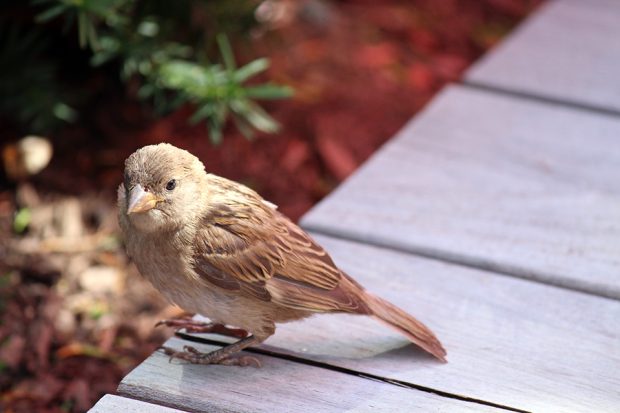
A homemade bird feeder works the same magic with local birds and doubles up as an activity you’d include when planning a fun backyard vacation for the whole family to enjoy together.

5. Grow Edible Plants in Pots or Small Gardens
Few things match the thrill of picking a tomato you grew from seed. Kids learn about roots and the soil. They get to understand plant lifecycles just by watering herbs or strawberries each week.
Hands-on gardening builds patience while encouraging children to ask questions every time they spot something new sprouting.
6. Use Local Field Guides to Identify Wildlife Nearby
Pulling out a pocket field guide adds real excitement to nature walks. Kids get a thrill when they match tracks, leaves, or birds to colorful photos on the page.
Learning animal names and behaviors from these guides often turns an ordinary stroll into a little scientific investigation right outside your door.
In closing, simple moments outdoors help children grow more curious and thoughtful about the world. When nature feels close and familiar, curiosity has space to thrive in ways that last a lifetime.