
The joy of traveling lies in the fact that you get to explore unfamiliar places and immerse yourself in cultures and communities, each more interesting than the last. Travelling abroad at least once a year allows you to develop a deeper appreciation for life. Part of the experience should also include avoiding health hazards, which are always present no matter where you’re going.
Whether or not it’s your first time traveling internationally, securing your health and wellness is important. You won’t make the most of your trip if you get sick along the way. Even worse is carrying an illness or condition that takes time to manifest after you’ve finished your journey. Preparation shouldn’t just focus on your finances. It should also include avoiding health hazards that will get in the way of your experience. Here’s a quick guide to keep in mind.
Do Research About Restrictions and Hazards
Equipping yourself with knowledge about a destination country’s main health risks is essential before you can start planning the other details of your trip. Learn about vaccination requirements and the medication you are allowed to bring. You should also keep track of local and international health advisories so you can adjust your travel plans and bring what the destination country requires for travelers.
Part of your preparation should include coming up with a complete medical kit, especially if you need certain medication that might not be available in the region or city where you will be staying. Additionally, give yourself at least a month to learn about specific outbreaks and diseases to watch out for so you will know what to include in your medical kit and choose alternative locations in case local restrictions are put in place.
Get a Good Insurance Policy
If you’re booking your trip through a travel agency, the package you’re getting might include insurance add-ons. These are optional, but it helps to check what and how much is covered under the plan. On the other hand, you can choose to buy travel insurance from a third-party provider, which is usually a better option because the coverage is more comprehensive.
Make sure you get at least $100,000 in international medical emergency coverage, which usually includes lost baggage and flight delays. Review the policy before committing, since it may not cover pre-existing conditions that may require specific add-ons. You need at least a month before your scheduled flight to compare multiple plans and review your inclusions so you will have peace of mind as you set off.
Be Mindful of What You Eat
You may be tempted to eat as the locals do, and this is often the most rewarding part of any international travel experience. However, the food and beverages you consume may contain ingredients that may trigger digestive flare-ups and allergies. Research local delicacies and what they are made of so you know what to avoid.
Hygiene standards may also be negligible in certain areas, so ask people you know who have been there and learn where to savor local dishes that won’t expose you to health risks. Make sure to drink only distilled water and wash your hands before and after having a meal.
Know Which Landmarks Are Safe
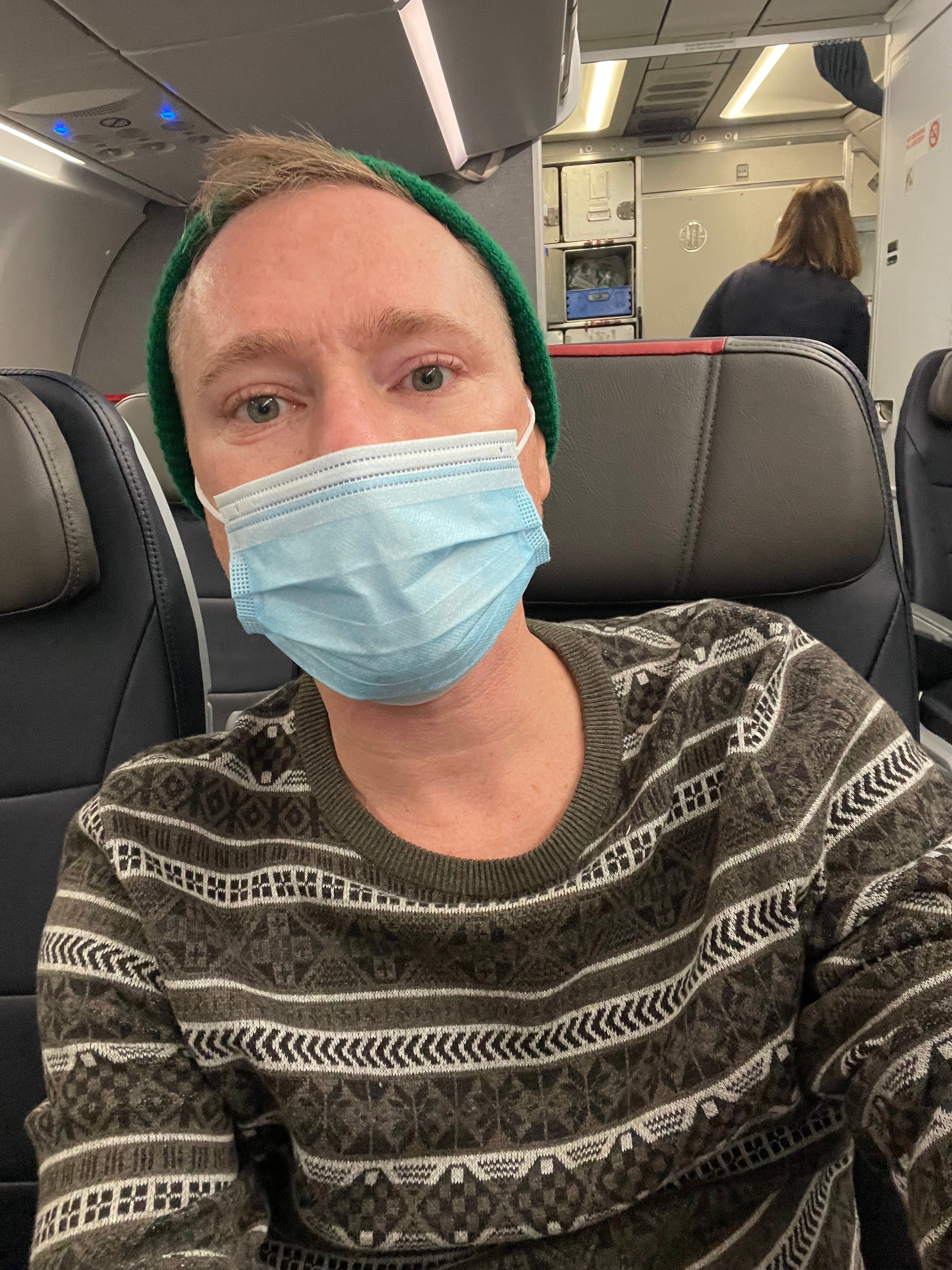
If you go around sightseeing as a solo traveler or with a group, it pays to know that certain places may pose a health hazard. In some cities where the air pollution index is above the global average, you will be advised to wear a face mask at all times.
It’s also important that some landmarks may expose you to contaminants. Old buildings built in the 1930s may have areas where asbestos fibers linger. Sufficient exposure may eventually lead to conditions such as lung cancer or mesothelioma. To learn more about these conditions, you can visit resources such as https://www.lungcancergroup.com/legal/lung-cancer-law-firm/. If you’re planning to visit local bathhouses, only go to the ones certified by local authorities, which requires regular safety and health hazard checks.
Endnote
Travel in peace knowing your health is secured from certain risks. Keep these tips in mind and protect yourself from anything that will hamper your travel goals.