
A great queer-friendly city escape does not have to be expensive. With the right planning, LGBTQ+ travelers can enjoy culture, nightlife, food, community and style without overspending.
The best city breaks are not always built around luxury hotels or packed itineraries. They often come from choosing the right neighborhood, finding welcoming spaces, balancing free and paid experiences and spending intentionally. A thoughtful budget can make the trip feel more relaxed, not more restricted.
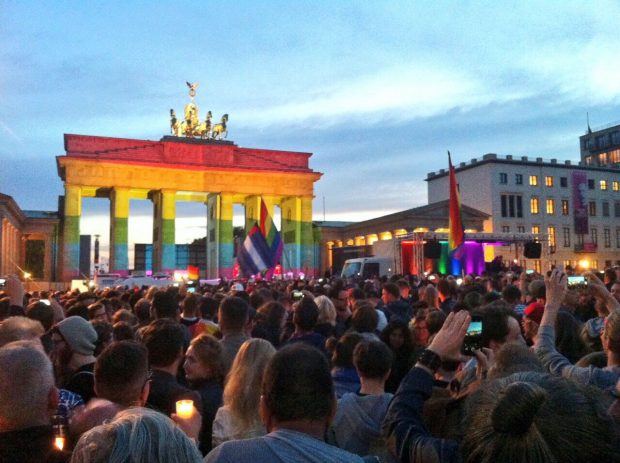
Choose a destination with both culture and community
A queer-friendly city escape should offer more than nightlife. Bars and clubs can be part of the fun, but the most memorable trips often include culture, history, food, art and local connection.
Look for destinations with inclusive neighborhoods, LGBTQ+ history, independent cafés, galleries, bookstores, public spaces and community events. A city with queer-owned businesses, local advocacy groups or regular LGBTQ+ programming can feel more welcoming and layered.
The goal is to choose a place where you can explore during the day, feel safe at night and connect with more than just the tourist version of the city.
Stay in a neighborhood that makes the trip easier
Where you stay can shape the entire trip. A cheaper room far from the places you want to visit may cost more in the long run if you rely on rideshares, taxis or late-night transportation.
A slightly more expensive stay in a walkable neighborhood can sometimes be the smarter choice. Being close to cafés, parks, museums, transit stops, LGBTQ+ venues or nightlife saves time and energy. It also makes spontaneous plans easier.
Before booking, look at the neighborhood as carefully as the room. A good location can make a short city escape feel smoother, safer and more connected.
Look beyond big-name hotels
Big-name hotels can be convenient, but they are not always the best fit for a budget-conscious city break. Boutique hotels, guesthouses, apartment-style stays and smaller properties can offer more character and better locations.
Read reviews carefully, especially from travelers who mention safety, walkability, transit access and the overall atmosphere of the property. For LGBTQ+ travelers, it can also help to look for places in inclusive neighborhoods or near queer-friendly venues.
A stay does not have to be flashy to be comfortable. Sometimes the best option is simple, well-located and easy to return to after a long day out.
Use public transit, walking routes and bike shares
City escapes are often better when you move like a local. Metro passes, buses, trams, trains, walking routes and bike shares can reduce transportation costs while helping you experience the rhythm of the city.
Public transit also makes it easier to explore beyond the most obvious tourist areas. A short train ride or tram trip can lead to a neighborhood café, local market, gallery district or park you might not have found otherwise.
Before arriving, check transit passes, airport connections and late-night service. If you plan to enjoy nightlife, knowing how to get back safely matters.
Mix free cultural stops with one paid experience
A memorable city escape does not need to be packed with expensive tours. Many cities offer free or low-cost experiences that reveal their personality.
Look for public art, parks, markets, LGBTQ+ landmarks, free museum hours, historic neighborhoods, bookstores, street festivals and walking routes. These experiences can make the trip feel rich without stretching the budget.
Then choose one paid experience that feels truly worth it. That might be a food tour, drag show, theater performance, club night, special exhibition or guided neighborhood walk. One intentional splurge often feels better than several forgettable purchases.
Check local LGBTQ+ calendars before booking
Before choosing travel dates, look at local LGBTQ+ calendars. Pride events are the obvious example, but there may also be queer film screenings, drag brunches, gallery nights, community markets, readings, club events, fundraisers or pop-up performances.
Planning around local events can make a trip feel more connected. It can also reveal affordable or free things to do that are not listed in mainstream travel guides.
Community calendars, LGBTQ+ centers, local publications, venue pages and social media can all be useful. The more local the source, the better the recommendations usually are.
Eat and drink where locals actually go
Food and drinks can take over a city-break budget quickly, especially in tourist-heavy areas. Instead of eating every meal near major attractions, look for neighborhood cafés, bakeries, markets, casual restaurants and happy-hour spots.
Local places often offer better atmosphere and better value. They can also give you a stronger sense of the city’s daily life. Ask bartenders, shop owners or other travelers for recommendations, or check LGBTQ+ community guides for welcoming spaces.
Choose one or two special meals if food is a priority, then keep the rest simple and local.
Make planned spending work harder
A city escape still involves necessary purchases, from lodging and transportation to event tickets and meals. Travelers can use loyalty programs, travel-friendly accounts or membership perks to collect reward points on spending they already planned.
The key is not to buy more just to get perks. Rewards are only useful when they support a trip you can already afford. Used thoughtfully, they can help make future travel a little easier without changing the focus of the current trip.
Leave room for spontaneous queer joy
Some of the best moments on a queer-friendly city escape are impossible to schedule. It might be a conversation at a bar, a small gallery opening, a local recommendation, a bookstore event or a walk through a neighborhood that simply feels welcoming.
Leave a little room in the budget and itinerary for those moments. Not every hour needs a reservation, and not every memory comes from a paid attraction.
A flexible plan makes space for the kind of travel magic that happens when you are open to the city.
Spend less, connect more
A budget-conscious queer-friendly city escape is not about limiting the experience. It is about choosing places, people and moments that make the trip feel authentic, welcoming and memorable.
With the right neighborhood, smart transportation, local events and intentional spending, travelers can enjoy more of the city without overspending. The best trips are not always the most expensive. They are the ones that make you feel connected.